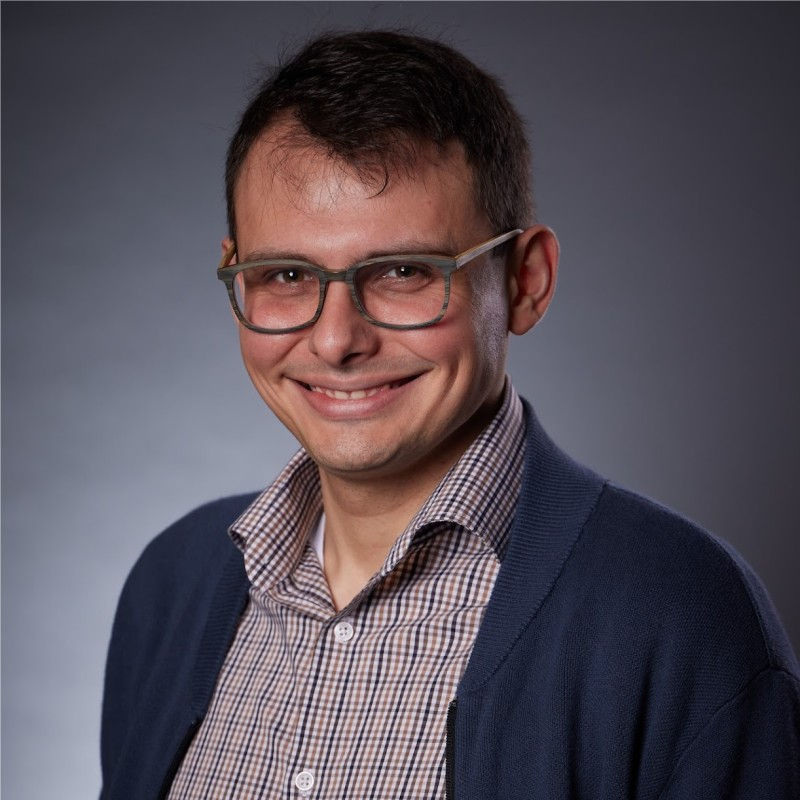
Member Highlight: Dawn Lucovich


Please introduce yourself and your connection to Japan.
I first came up with the idea to live and work in Japan while I was doing a study abroad program in China at Beijing University in Beijing and Fudan University in Shanghai. My plan was to live and work for 3 years in Korea, Japan, and China, and then return to the United States to do a PhD in East Asian Studies. For better or worse, I did end up living and working in Korea and Japan for much longer than 3 years each (thoroughly enjoying both), never made it back to China, and my PhD coursework is in Linguistics.
Knowing my plan, my family also “coincidentally” moved to Japan for work shortly before I did, and speak highly of their time living and working there. My parents lived in the diplomatic district of Tokyo, a block away from the US Embassy, so we were often invited to international gatherings. We definitely became an even more multicultural family due to our time in Japan, and we all appreciate that tremendously.
My undergraduate major was Rhetoric, so during university and after graduating, I worked in several publishing offices. Naturally when I moved to Tokyo, my first job offer was writing and editing at a video game localization company. However, I ultimately decided to pursue academia. I taught at several universities in Tokyo before being recruited to become a founding faculty member of the University of Nagano (長野県立大学), which opened its doors in 2018. I also served as the pandemic-era President of the Japan Association for Language Teaching (a professional association for linguists, professors and teachers of any language, researchers, and publishers, among others), and led a restructure of the 50-year-old nonprofit. Both were fantastically large and ambitious undertakings, and I could only truly appreciate the scale of what I had been doing after I left Japan.
What drew you to become a member of JSB, and how has your experience been so far?
When I moved back to the US, I was living in NYC and was quite active in the Japan Society
there, the Japanese American Association, and other Japan and Japanese American activities. When I moved to Boston I wanted to ensure that I was able to remain connected to Japan while living so far away. I was especially pleased because Boston and Kyoto are sister cities, and Kyoto remains one of my favorite places to visit and to buy kimono. Also, I love travel, so I have been to nearly all 47 prefectures by train, bike, plane, or hiking. One of my most memorable summer trips was traveling completely overland from my house in Roppongi to Wakkanai in Hokkaido (Massachusetts’ sister state), then onwards through Russia and Mongolia.
I really enjoyed the MFA Private Tour that JSB organized earlier this year. Whilst living in Tokyo, I was creative director of an arts magazine that focused on photography and interviews with many different types of artists: singers, sculptors, gallerists and curators. I had connections with the video game industry from previous work, so we also interviewed musicians, localizers, and FX artists. We hosted monthly magazine release parties with live painting and DJs. After returning to the US, I was on the board of directors for the local arts council, so I am always interested in anything related to the arts, and especially to Japanese or Japan-based artists.
You recently returned to the US from Nagano. What did you enjoy most about Nagano, and how have you stayed connected since moving to Boston?
I very much enjoyed the process of getting to know the area, its “charm points,” and the
community while we built the university and its culture from the ground up. It was a very
grassroots era of my life. During COVID, I took up cycling, which was a rather ideal pandemic hobby, and would (e-)bike up and down mountains with no cars on the road at all. There is a cycleway from Nagano city south to Ueda city, which is the next closest Shinkansen stop. It was about 60+ miles round trip, but if you got tired you could ride back on the local train with your bicycle for less than $10. Once I rode up to Nozawa Onsen and went public bath-hopping, again with no one else around.
Currently, I am a “Nagano Ambassador,” and serve on a committee to represent Nagano Prefecture internationally. We previously had meetings when the governor and prefectural
office staff would come to the Japanese Local Government Center in NYC, but in February 2026 they flew the committee to Nagano for a week of meetings. We spoke with government
officials, the tourism and convention center boards, local business owners, and people in the hospitality and craft industries. Together we are working to promote Nagano Prefecture
globally and to invite people to visit and explore the great food and drink that the prefecture has to offer, buy goods and crafts, do business, and live and work and go to university in Nagano.
We also hear that you're an anime fan and a regular panelist at AnimeNYC. Do you
have any favorite anime series to share?
This is my fourth year as an AnimeNYC panelist and panel organizer. Our panel topic this year is living and working in Japan. Of course, I was enamored of “Japanimation” as it was called when I was young, but my interest in anime since moving to Japan has primarily been academic and professional: How and why and do people learn spoken language through input from anime; how do anime, manga, video games, and other forms of art factor into Japanese soft power; how are other cultures represented in anime; what cross-cultural misunderstandings and misapprehensions result from the increasing number of non-Japanese people watching anime. That said, Frieren is probably my favorite recent series.

You're certified in kimono dressing (kitsuke) and often wear kimono to local Japan-related events. Do you have any advice for people who might be interested to incorporate kimono into their wardrobes?
Japanese people in Japan are generally quite delighted and/or bemused when foreigners take an interest in kimono or other traditional arts (I have also studied tea ceremony). Many people internationally now know about the history of internment camps in the United States and the seizure and destruction of property, businesses, families, and personal possessions (including kimono), but may not connect it with the day-to-day reality and lived experience of being a minority and, specifically being Asian, in the United States in the 21st century. For that reason, I believe it is particularly important to approach kimono in the United States with an awareness and understanding of this historical context and with sensitivity to the perspectives of Japanese Americans and other community members.
When I attend events I always notice and speak with people wearing kimono. I love to share
information and learn from others. My advice is that you should study and learn the rules strictly before beginning to break them, otherwise you may make some very embarrassing mistakes—speaking from experience, of course. Start simply with haori (Japanese formal coat) and yukata and go from there as your confidence and knowledge builds. When in doubt, find an instructor!
Thank you, Dawn, for sharing with us!
Interested in becoming a JSB Member? Click here or reach out to info@japansocietyboston.org for more details.